Outdoor Design
Inspiration
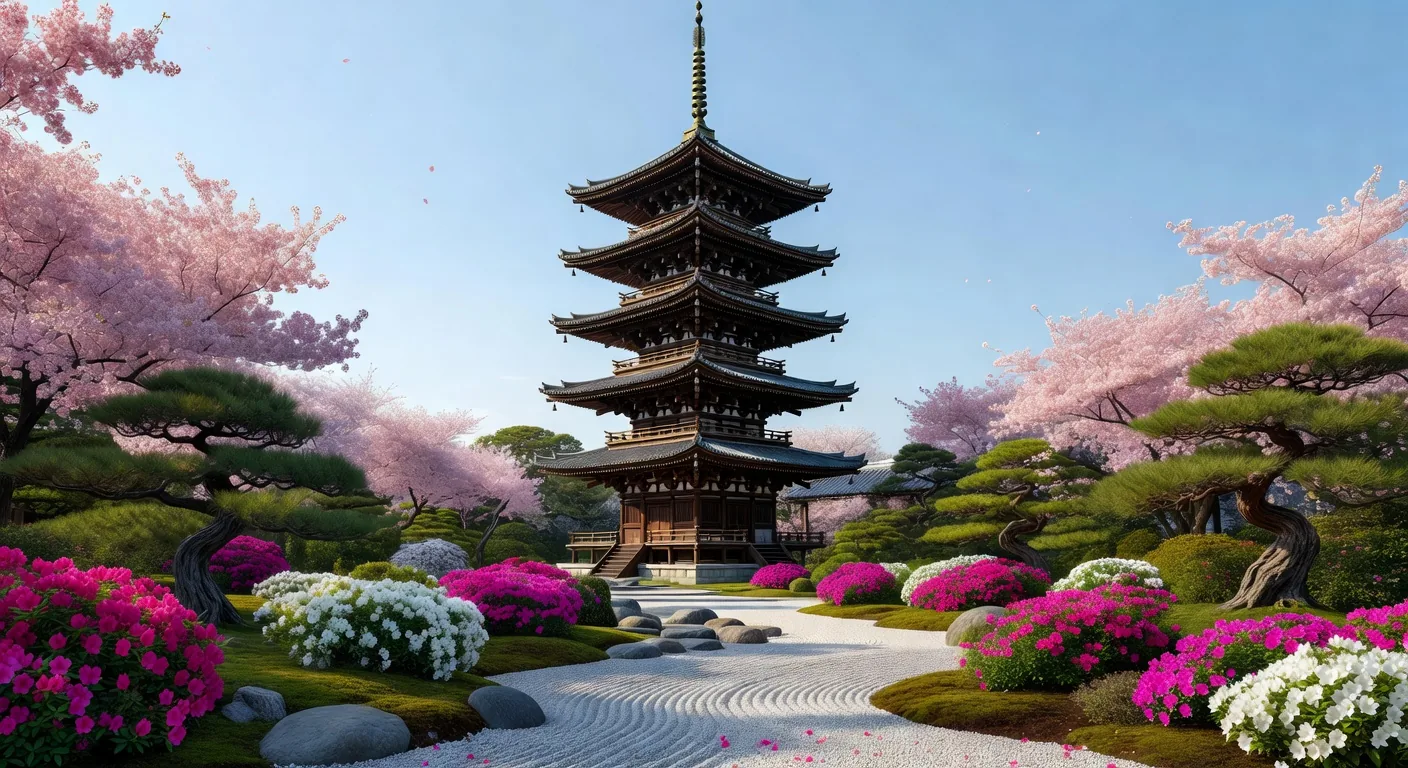
Discover the timeless design language of Japanese gardens — principles, elements, and spaces that create profound beauty from simplicity.
Explore PrinciplesSeven Design Principles
Asymmetry & Irregularity
Perfect symmetry feels static; asymmetry creates visual energy and a sense of natural growth. Odd numbers of stones, irregular paths, and uneven plantings all embody fukinsei.
Imperfect Beauty
Find beauty in rough-textured stones, moss-covered lanterns, weathered timber gates, and the imperfect patina of age. Wabi resists the overly polished or artificially perfect.
Negative Space
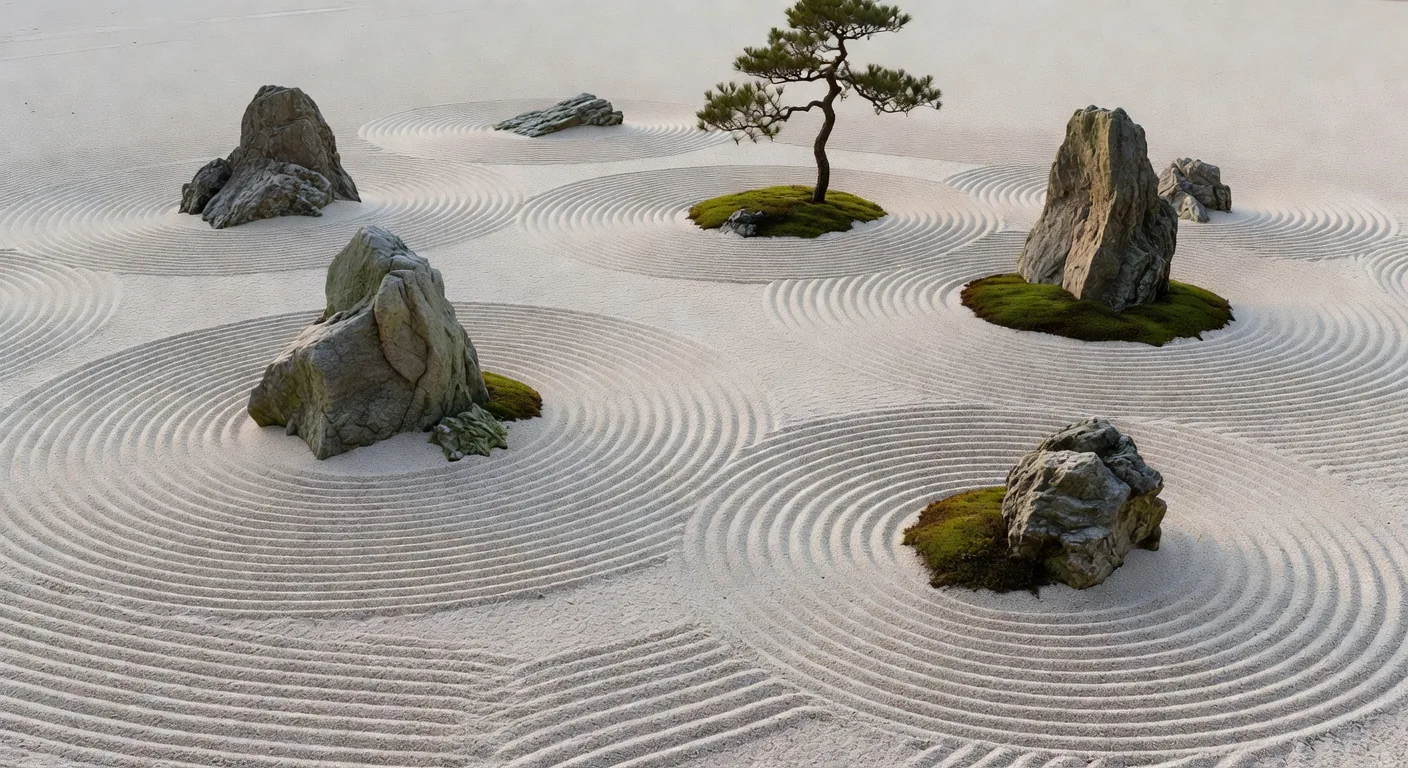
Empty space is not absence — it is active presence. The expanse of raked gravel, the gap between stones, the pause in a path: ma creates breathing room for the eye and mind.
Borrowed Scenery
Frame distant mountains, forests, or architectural elements as living backdrops. The garden's boundary dissolves as borrowed scenery becomes part of the composition.
Mysterious Depth
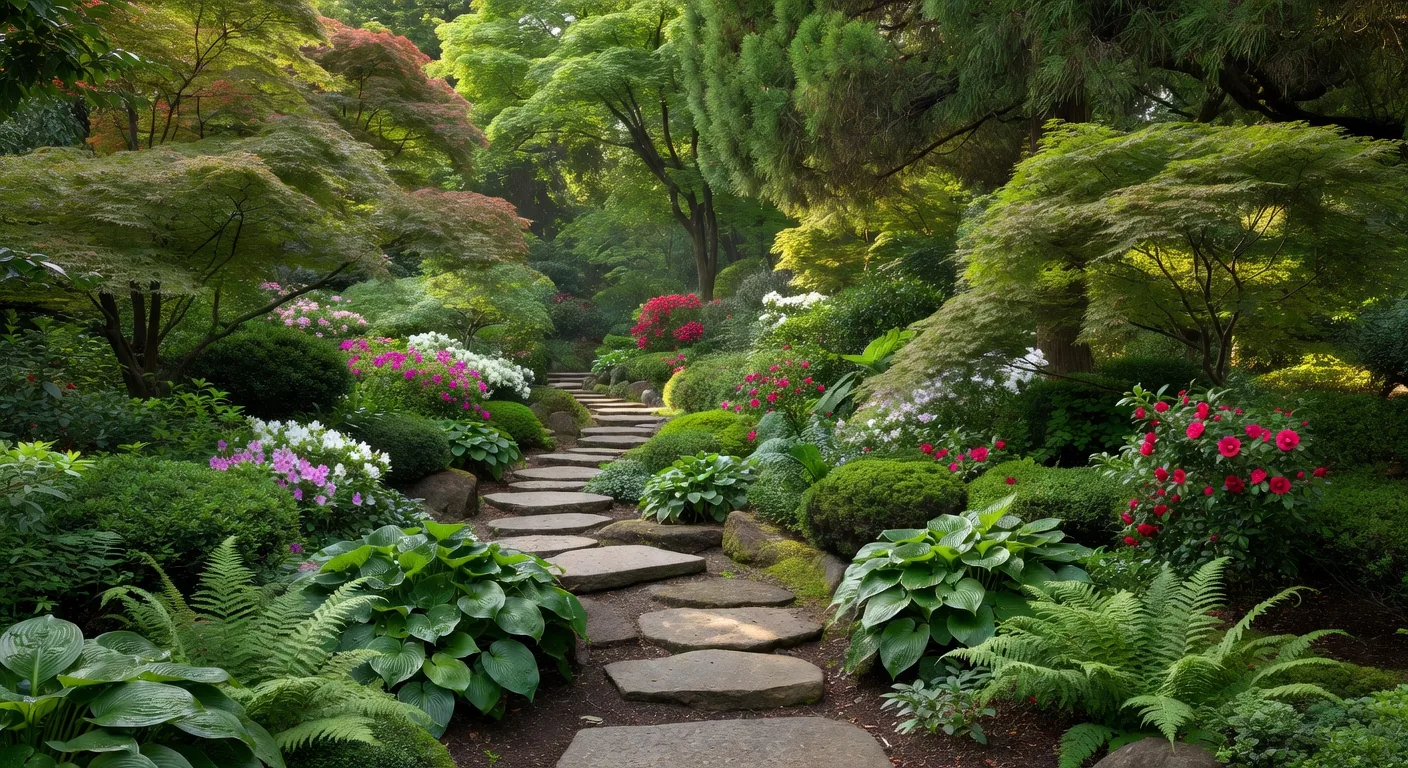
Deliberately conceal parts of the garden to create anticipation and mystery. A path that bends, a bridge half-hidden by bamboo, a lantern glimpsed through mist — yūgen rewards slow exploration.
Naturalness
The Japanese garden imitates nature — but never copies it exactly. Rocks are placed as they would be found in a mountain stream. Trees are shaped as wind and age might shape them.
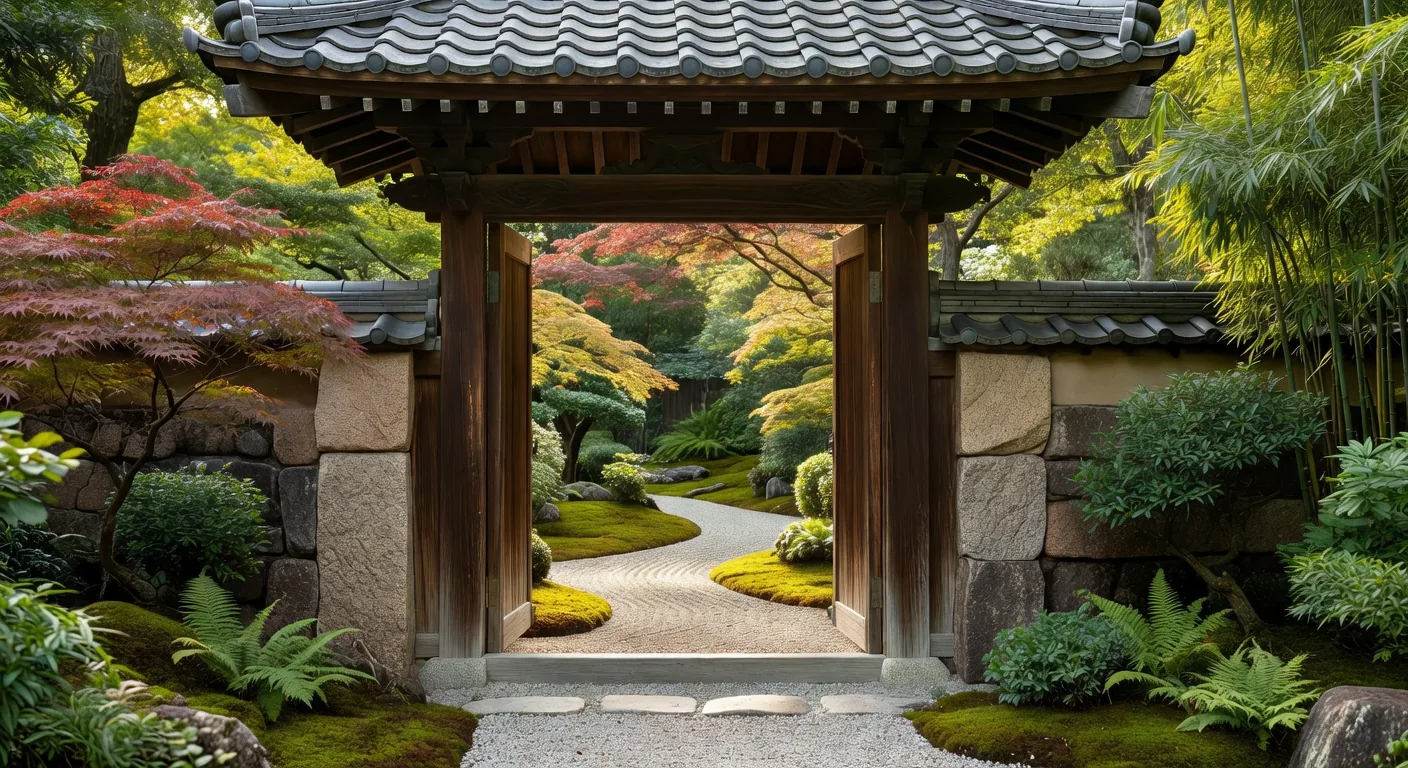
The Garden Gate: A Threshold of Transformation
Every Japanese garden begins before you enter it. The mon (gate) or roji entrance frames the transition from the everyday world to the heightened reality of the garden. Gates are intentionally humble — you must bow to enter — equalizing all visitors in their passage.
Bamboo gates, simple wooden torii-form entries, or solid timber shoji-style screens — each style speaks to the character of the garden within and the philosophy of its maker.
Gate Design Guide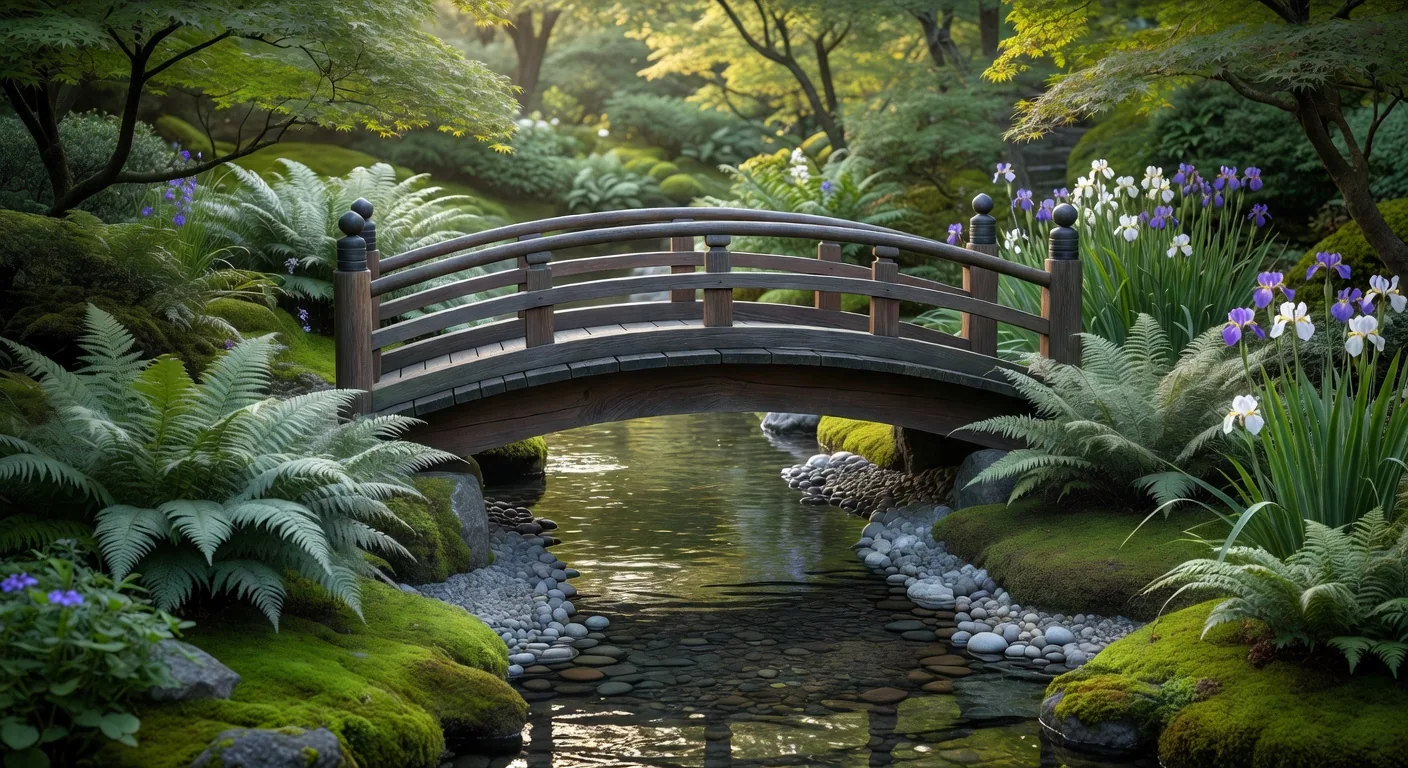
Bridges: Crossing Between Two Worlds
The garden bridge — whether a simple flat stone slab, a graceful wooden arc, or a red-lacquered taiko-bashi moon bridge — is one of the most symbolically rich elements in Japanese garden design. It marks a transition, connects zones, and reflects perfectly in still water below.
Moon bridges with their dramatic circular arches are designed so that the reflection completes the circle — a reminder of the Buddhist concept of wholeness.
Bridge Building GuideDesign Mood Board
Essential Garden Elements
Ishi — Stones & Rock
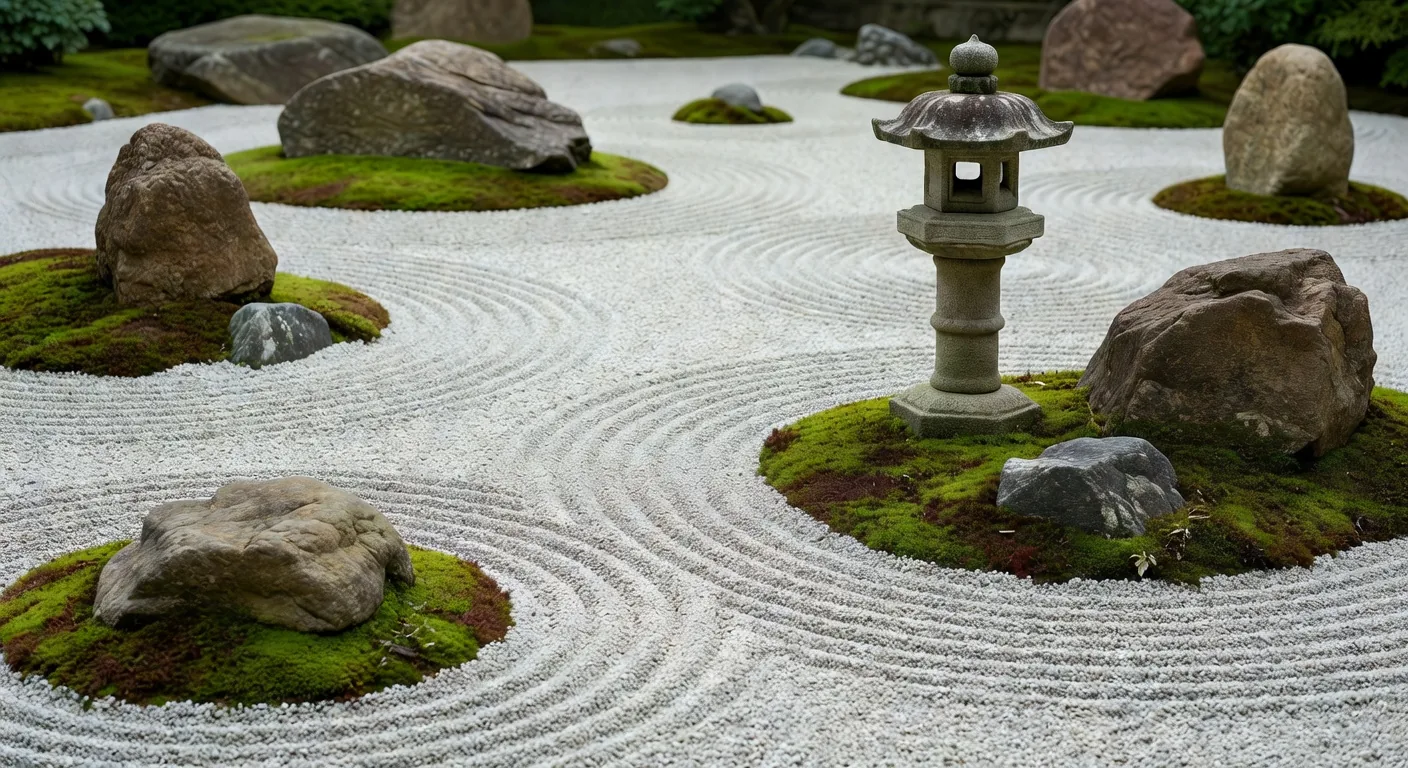
The skeleton of the Japanese garden. Stones represent mountains, islands, or abstract forces. They are never randomly placed — each stone has a face, a direction, and a relationship to its neighbours.
Mizu — Water
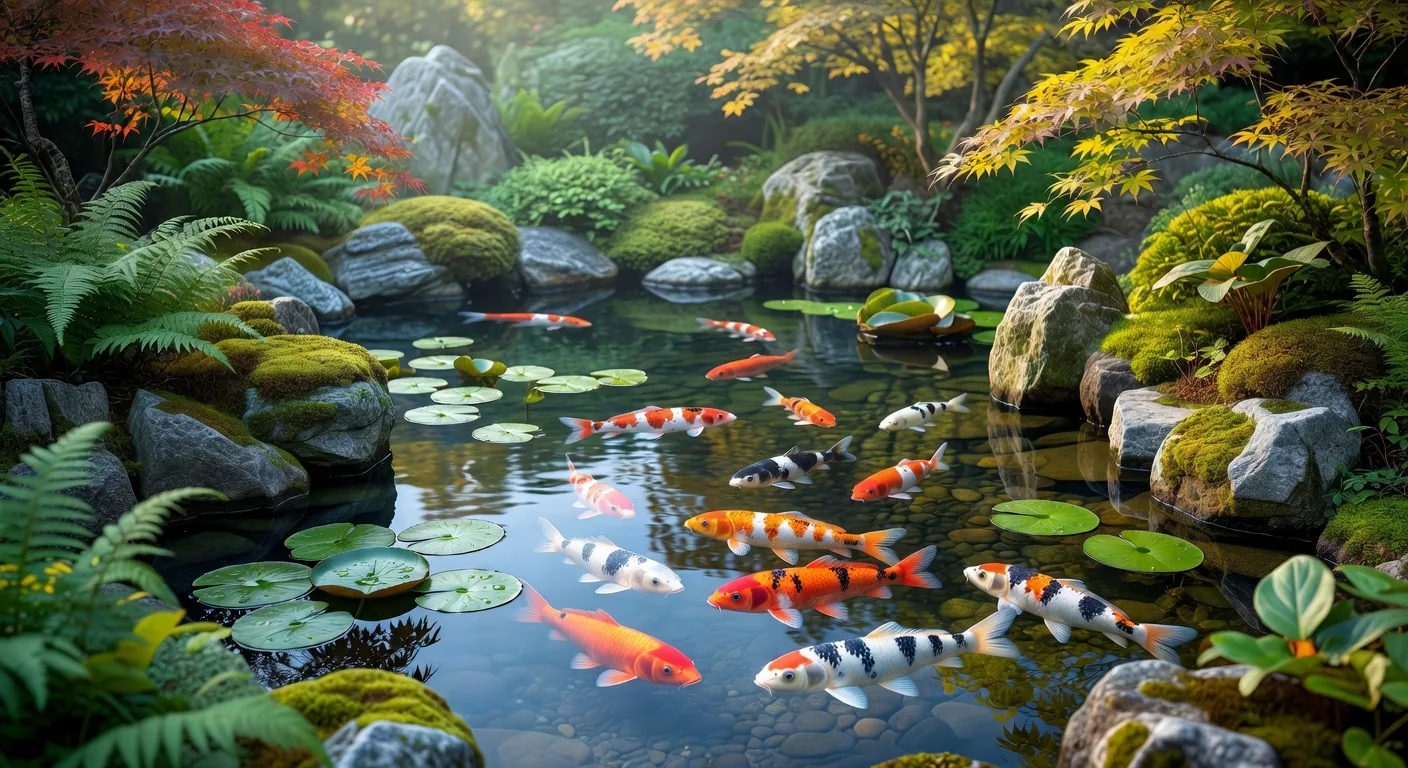
Ponds, streams, and waterfalls represent the primordial ocean and the flow of time. Even in dry karesansui gardens, raked gravel mimics the movement of water in permanent, meditative form.
Shokubutsu — Plants
Japanese garden plants are chosen for seasonal performance, texture, and cultural resonance. Evergreens provide year-round structure; deciduous trees mark the seasons; moss creates a sense of age.
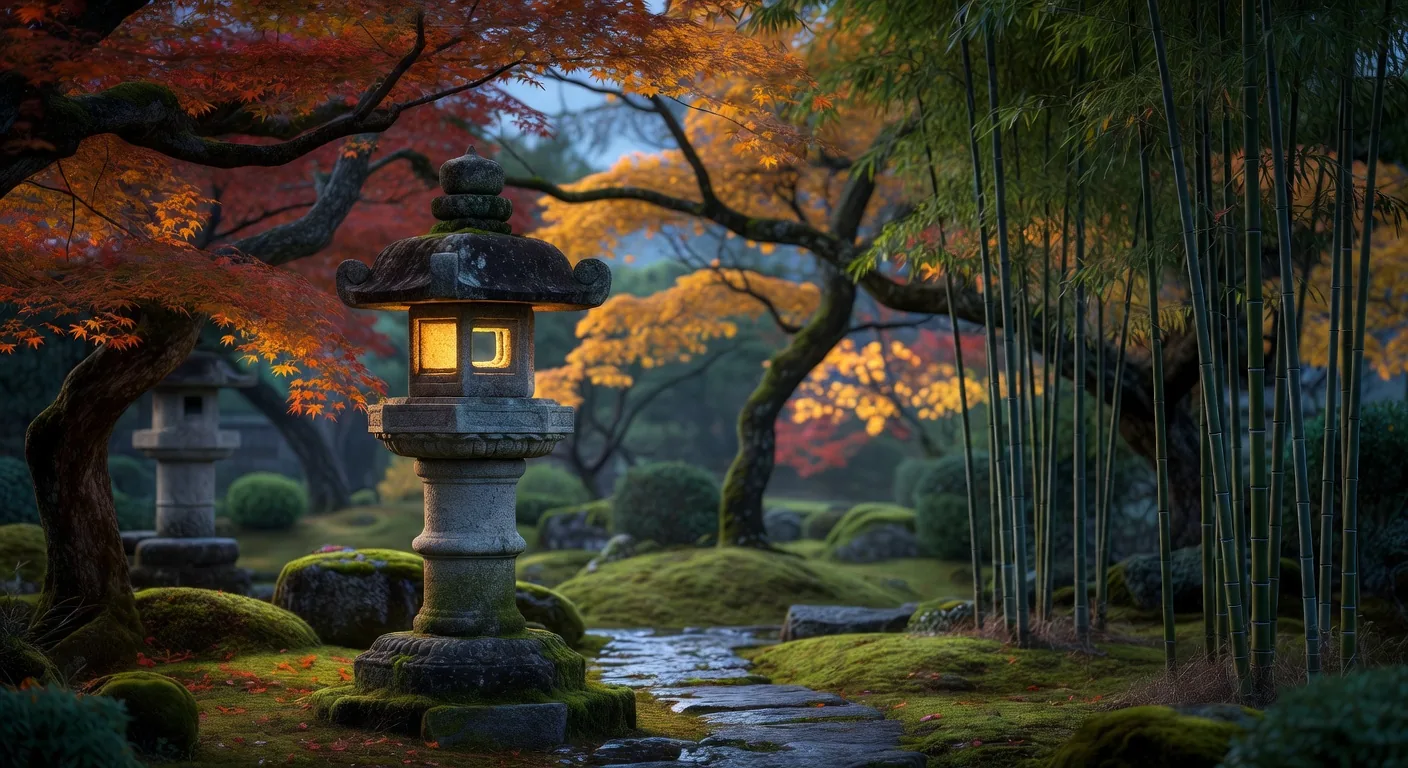
Tōrō — Stone Lanterns
Originally votive offerings at Buddhist temples and Shinto shrines, stone lanterns became garden ornaments in the tea garden tradition. Their soft light at dusk transforms the garden into a different world entirely.
Tsukubai — Water Basin
The low stone water basin, set beside a bamboo water spout, requires the visitor to crouch (tsukubai means "to crouch") — an act of humility before entering the tea space.
Kakoi — Enclosure
Fences, walls, and hedges define the garden's boundaries and create the sheltered world within. Woven bamboo screens, clay and tile walls, and clipped camellia hedges all serve as architectural enclosure.