Building a Moss Garden from Scratch
Cultivate a lush moss carpet in 8 steps — from site assessment to long-term care.
8-Step GuideStep-by-step instructions, expert techniques, and illustrated walkthroughs for creating authentic Japanese garden elements.
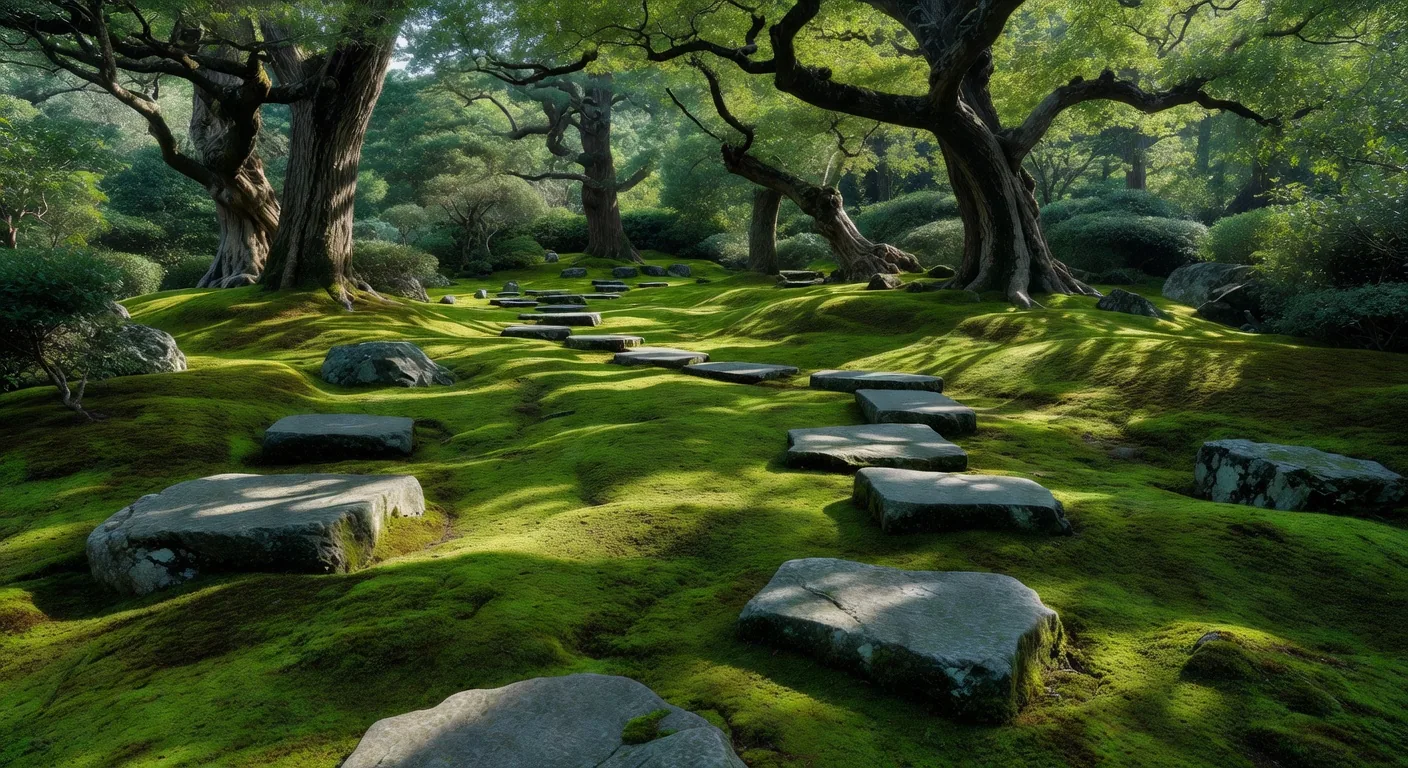
Cultivate a lush moss carpet in 8 steps — from site assessment to long-term care.
8-Step Guide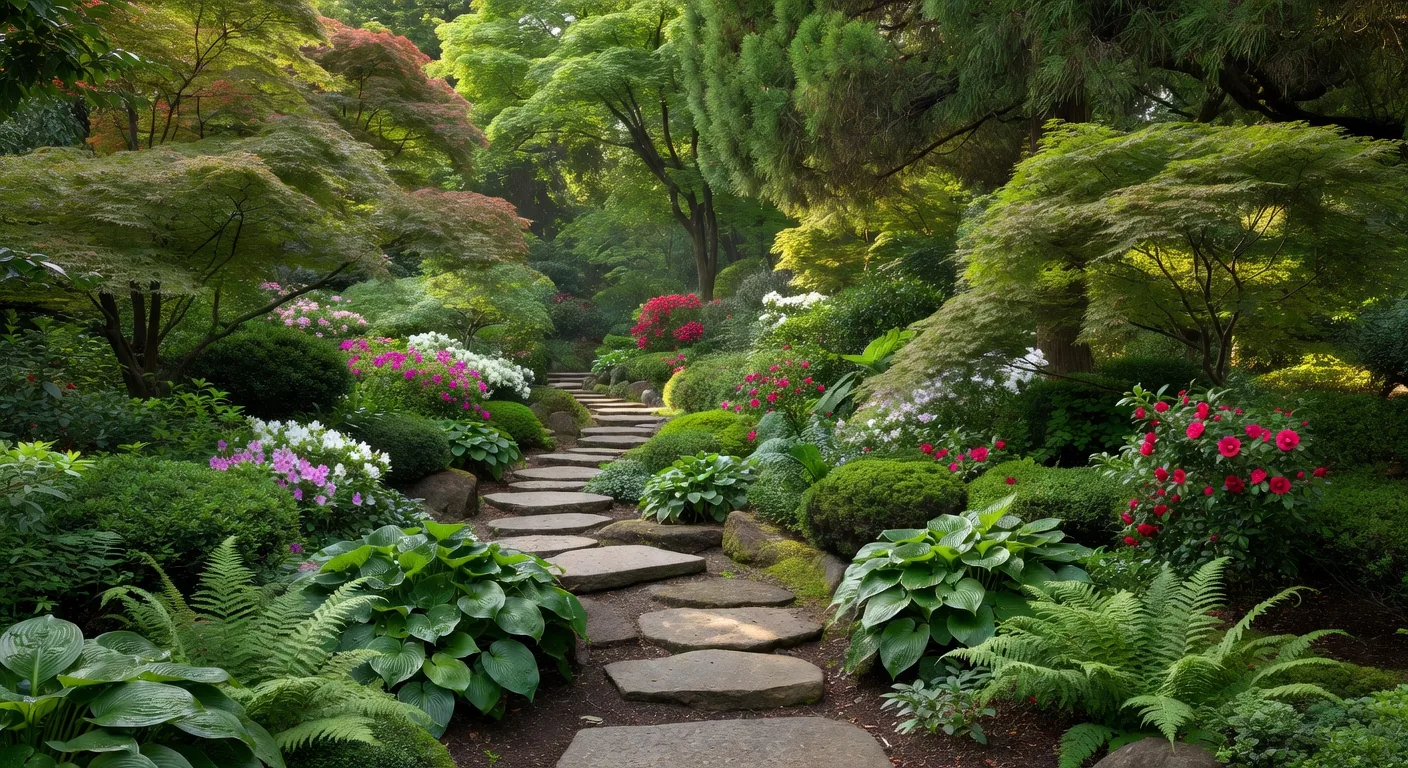
Master the placement principles that make each step a meditation in movement.
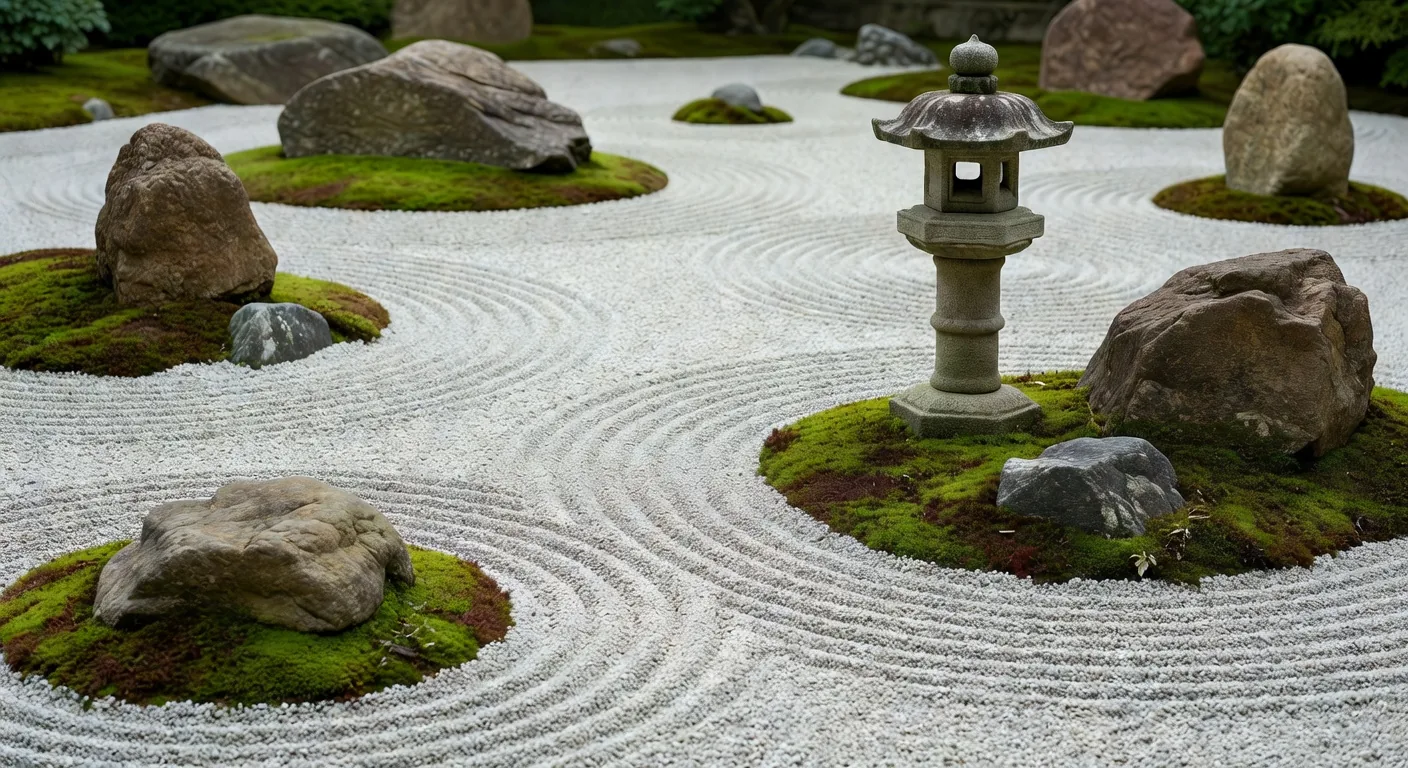
6-Step GuideThe karesansui (dry landscape) garden uses gravel, sand, and stones to represent natural scenes — rivers, mountains, oceans — without a drop of water. This guide takes you through the entire process from ground preparation to raking your first pattern.
Choose a rectangular or irregular plot with good drainage. Remove all vegetation and excavate 15–20 cm. Line the base with weed-suppressing membrane, then add a drainage layer of coarse gravel (5–8 cm).
Authentic karesansui uses white or grey granite gravel (grit size 3–5 mm). Pale, washed river gravel is an excellent alternative. Avoid coloured or rounded pea gravel — angular stones rake better.
Frame your garden with low timber, slate, or stone edging to contain the gravel. Traditional Zen gardens use roofing tiles set on edge. Ensure edges are perfectly level.
This is the heart of the process. Study classical arrangements — odd numbers work best (3, 5, or 7 stones). Each stone should be partially buried (one-third underground) for visual stability. Stand back frequently to assess balance and asymmetry.
Pour gravel to a depth of 8–10 cm. Use a flat board to level the surface before raking. Work from one end to avoid stepping on freshly raked areas.
Begin with straight parallel lines (representing a still ocean). Progress to concentric circles around stones (ripples from islands). The wooden rake should have teeth spaced 3–4 cm apart. Raking is itself a meditative practice — breathe slowly, move with intention.
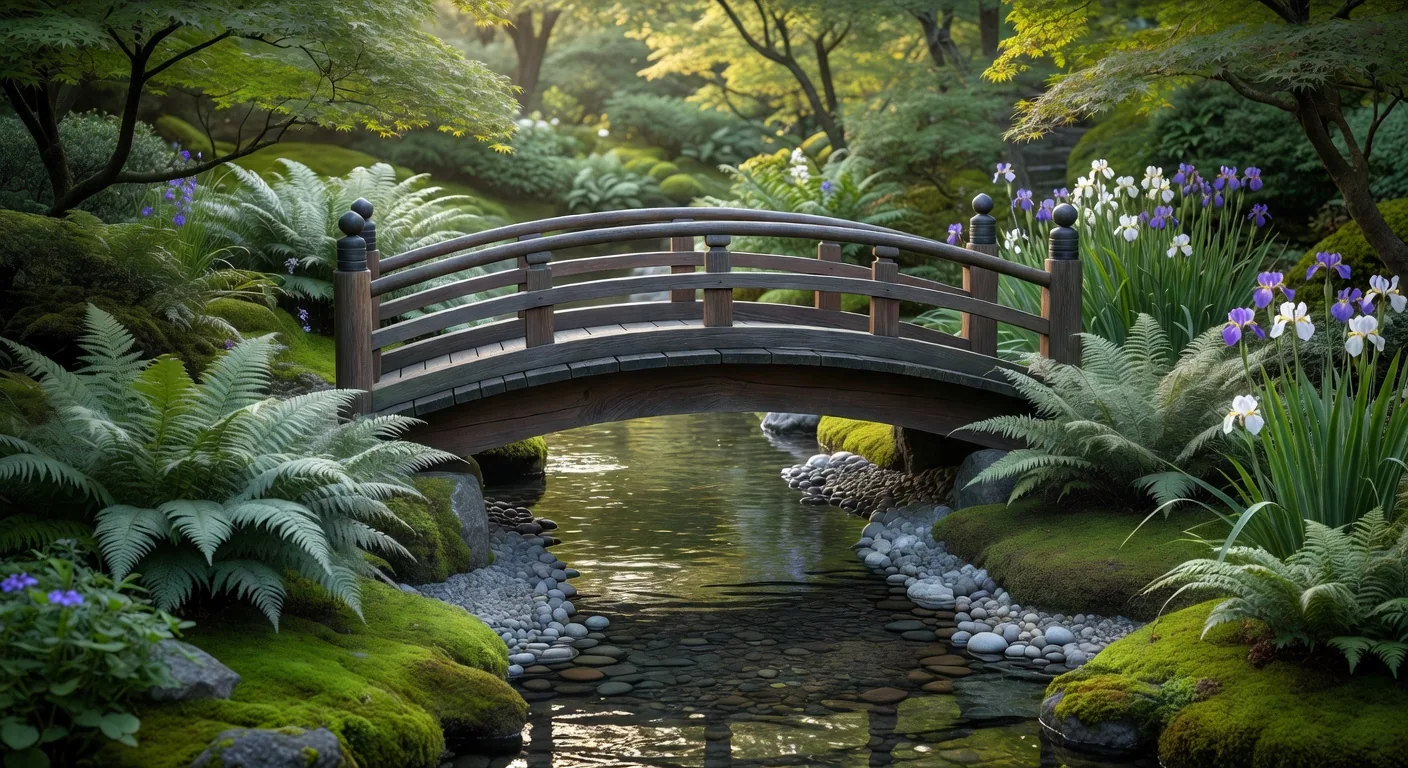
Traditional moon-reflection bridges in wood or stone — planning, materials, and step-by-step construction.
Read Guide →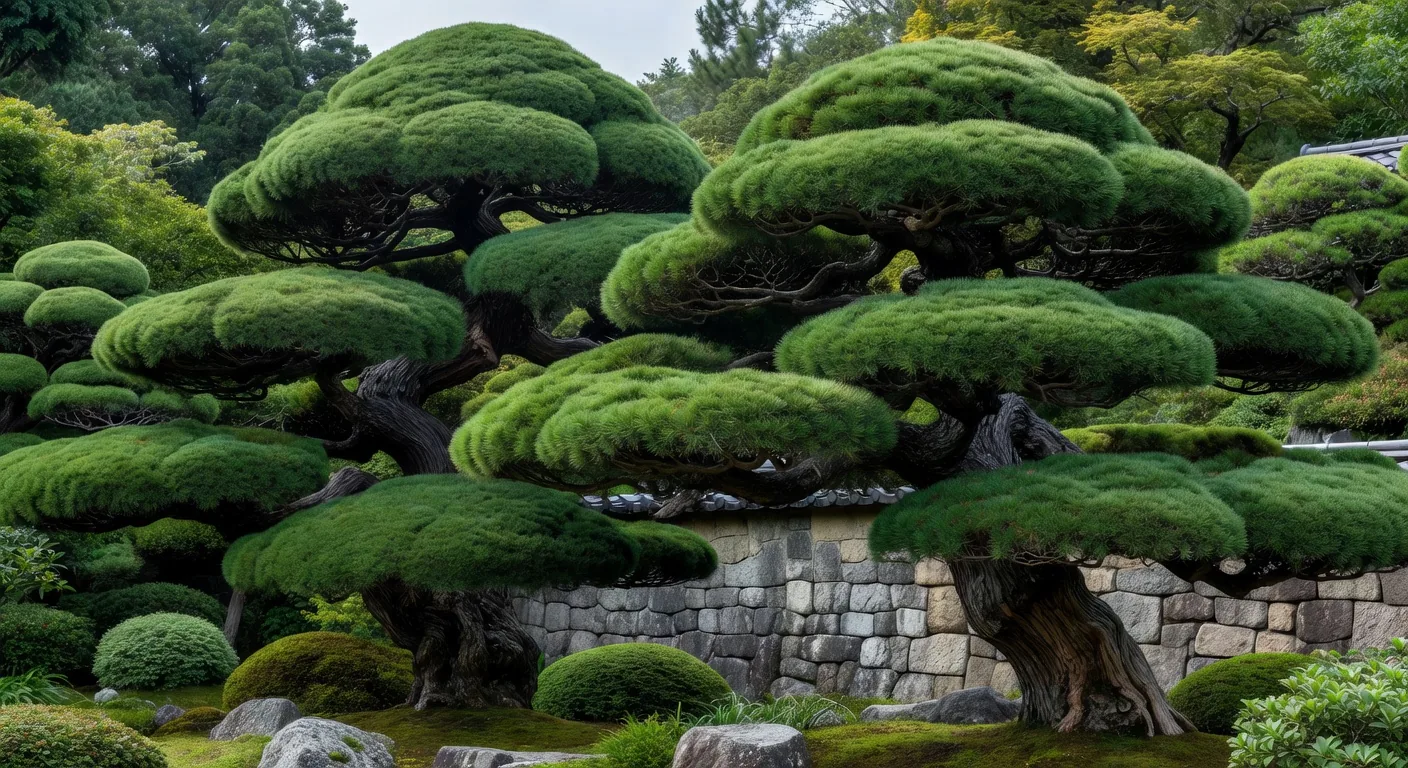
Transform ordinary pines, junipers, and azaleas into living sculpture with the art of niwaki pruning.
Read Guide →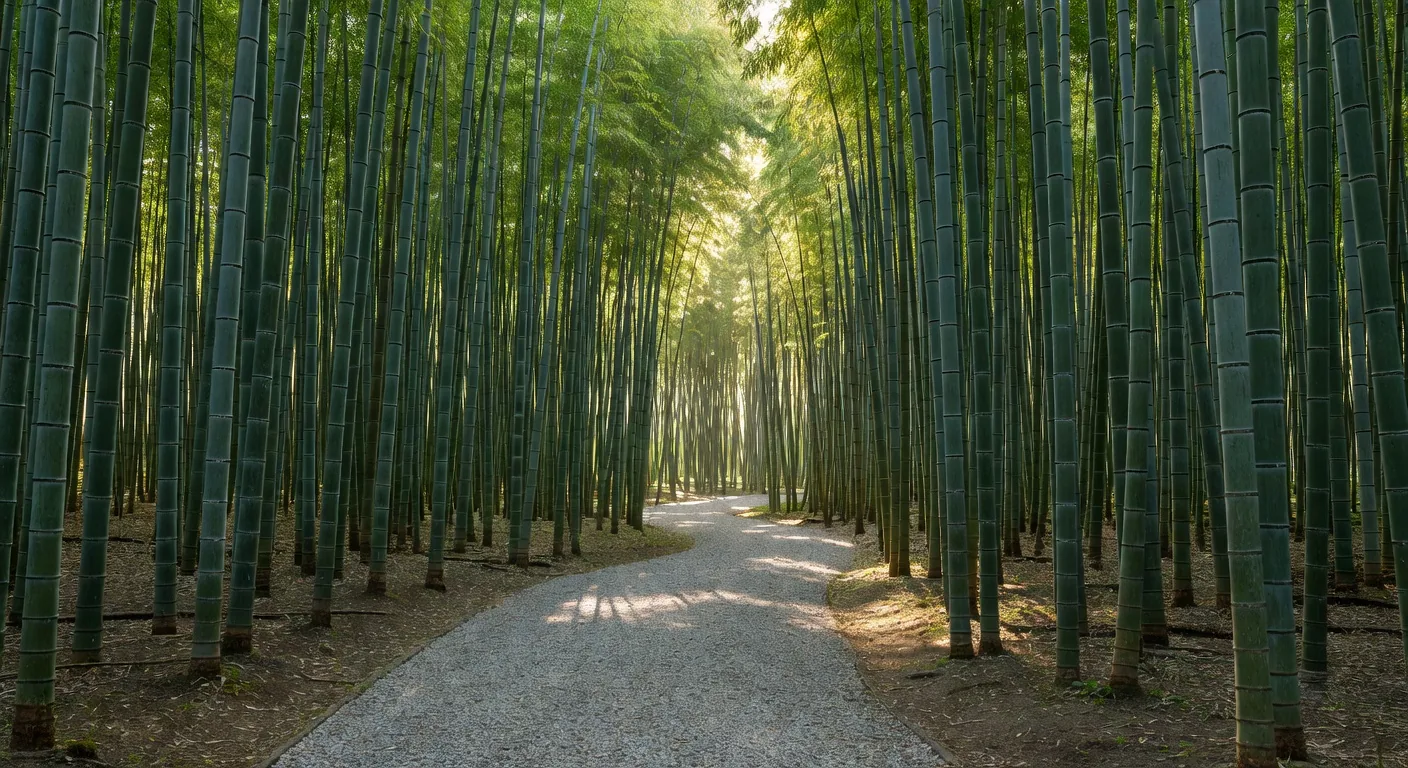
How to plant bamboo for dramatic effect without letting it take over your garden — barriers, varieties, and management.
Read Guide →