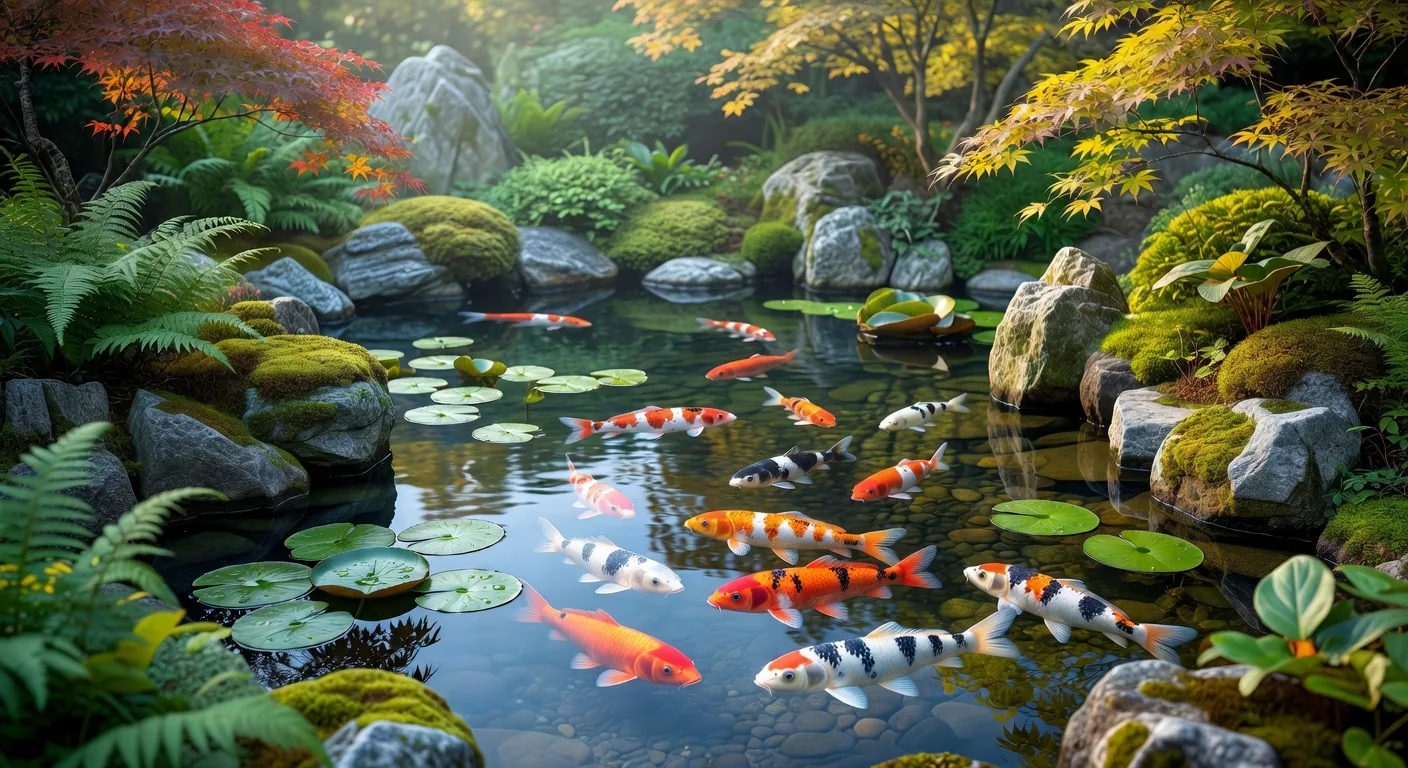
The Japanese garden is not merely a place of beauty — it is a living record of philosophy, religion, politics, and the enduring human desire to find harmony with the natural world.
Origins: The Asuka Period (538–710 CE)
The art of Japanese gardening traces its earliest roots to the Asuka period, when cultural exchanges with Korea and China brought new aesthetic ideas to the Japanese imperial court. Chinese cosmological gardens, influenced by Taoist notions of paradise islands rising from the sea, were adapted into the earliest recorded Japanese gardens. The Nihon Shoki chronicles mention garden ponds and artificial islands constructed for Emperor Suiko as early as 612 CE.
These prototype gardens were spaces of courtly pleasure and spiritual symbolism, featuring ponds representing the ocean, rocks as islands, and bridges connecting the earthly realm to the divine. The pond garden — chisen-kaiyu-shiki-teien — would become one of Japan's most enduring garden forms.
The Heian Era: Gardens of the Imperial Court (794–1185)
During the Heian period, Kyoto became the imperial capital, and garden design flourished under aristocratic patronage. The "Sakuteiki" (Records of Garden Making), written around 1070, is the world's oldest surviving garden manual. Its author, Tachibana no Toshitsuna, documented principles of pond-and-island design that remain influential today.
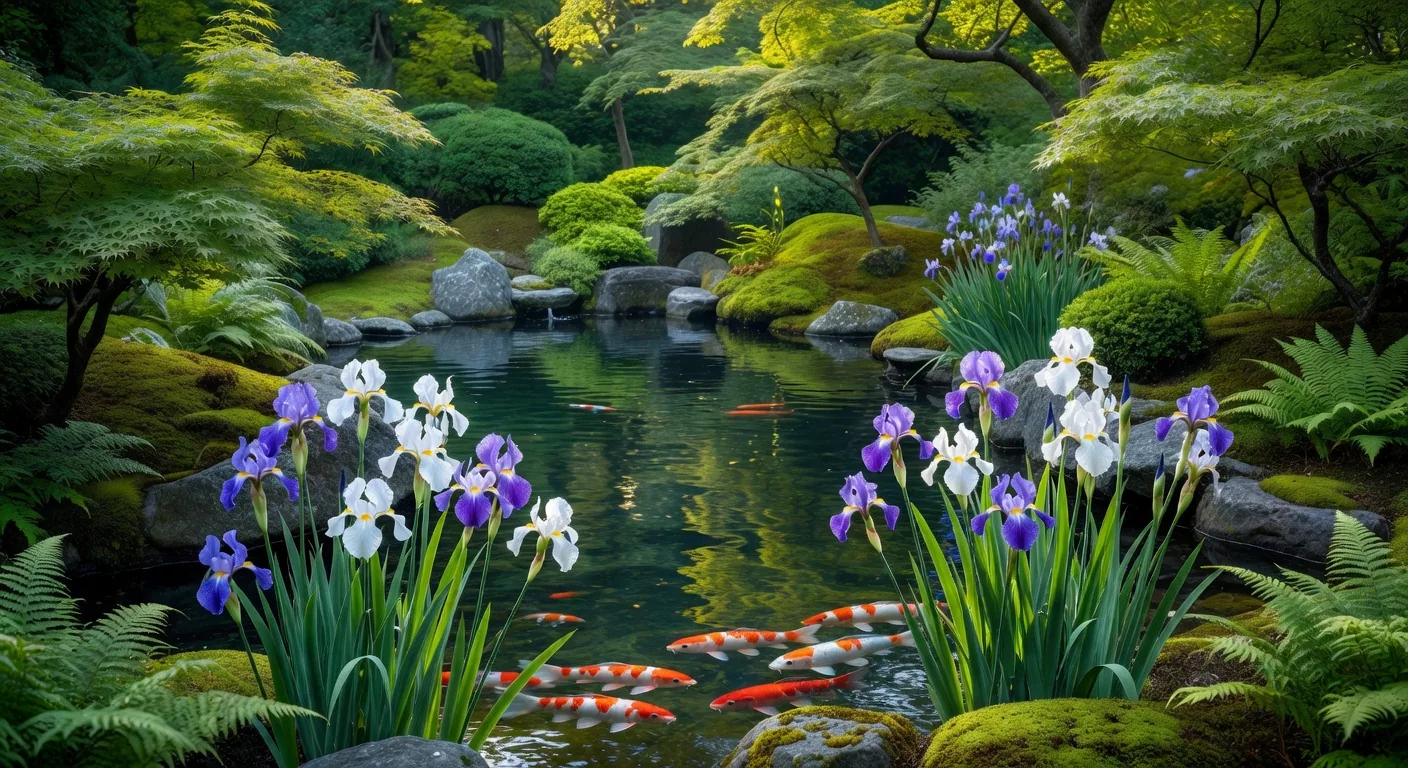
Heian gardens were designed to be viewed from the residential hall (shinden), framing landscapes like living paintings. Cherry trees, maple groves, and wisteria were planted to celebrate seasonal change — a concept known as mono no aware, the bittersweet awareness of impermanence.
Zen Buddhism and the Rock Garden (1185–1600)
The rise of Zen Buddhism during the Kamakura and Muromachi periods profoundly transformed Japanese garden aesthetics. Zen monks created gardens as aids to meditation, stripping away the lush planting of Heian gardens in favour of raked gravel, carefully positioned rocks, and minimal greenery. These karesansui (dry landscape) gardens abstracted nature to its essence.
Ryōan-ji in Kyoto, constructed in the late 15th century, remains the supreme example — fifteen stones arranged in five groups within a rectangle of raked white gravel, its meaning deliberately ambiguous, inviting contemplation rather than explanation. The garden embodies mu (emptiness) and ma (negative space) — foundational Zen concepts.
The Tea Garden: Wabi and the Path of Humility
Sen no Rikyū (1522–1591), the legendary tea master, elevated the garden to a spiritual threshold. The roji (dewy path) established to the tea house was designed to ease the visitor's transition from the mundane world into the heightened awareness demanded by the tea ceremony. Stepping stones, stone lanterns, a simple water basin, and restrained planting created an atmosphere of wabi — a beauty found in rustic simplicity and imperfection.
The tea garden represents one of Japan's most influential contributions to world garden design: the idea that a garden path is a journey of psychological transformation, not merely physical movement.
Stroll Gardens of the Edo Period (1603–1868)
The peaceful stability of the Edo period gave rise to the kaiyūshiki-teien, or stroll garden — vast landscapes designed to be experienced on foot, revealing new vistas, symbolic references to famous Japanese and Chinese literary places, and carefully choreographed sequences of mood and surprise. Katsura Imperial Villa in Kyoto and Kenroku-en in Kanazawa exemplify this sophisticated garden typology.
Daimyo (feudal lords) competed in the grandeur of their gardens, incorporating hills, streams, tea houses, pavilions, and rare plants. These gardens were powerful statements of political authority and cultural sophistication.
Meiji Era and Western Influence (1868–1926)
Japan's rapid modernization during the Meiji era brought Western landscape design ideas into contact with Japanese traditions. Public parks in the Western style were created in major cities, while private gardens continued to evolve, often blending Japanese and Western elements. Architect and garden designer Ogawa Jihei (Ueji) synthesized traditional and contemporary approaches in a series of masterpiece gardens in Kyoto.
The Contemporary Japanese Garden (1926–Present)
Today, Japanese garden principles inspire designers worldwide. From intimate urban courtyards in Tokyo apartment buildings to respected public gardens in Europe and North America, the concepts of borrowed scenery (shakkei), asymmetric balance, and seasonal change continue to shape how humans relate to designed landscapes. Contemporary Japanese designers such as Shunmyo Masuno — a Zen Buddhist monk and landscape architect — carry the tradition forward, creating gardens that are both ancient and urgently contemporary.
A Timeline of Japanese Garden History
Asuka Period
First recorded gardens featuring ponds and artificial islands. Chinese and Korean influences shape early Japanese garden aesthetics.
Heian Period
Shinden-zukuri aristocratic gardens. The Sakuteiki garden manual written c. 1070. Emphasis on seasonal plants and poetic association.
Kamakura Period
Zen Buddhism arrives from China. Temple gardens begin incorporating dry landscape elements.
Muromachi Period
Karesansui dry gardens reach their zenith. Ryōan-ji, Daisen-in, and Saihō-ji (moss garden) created.
Momoyama Period
Tea master Sen no Rikyū develops the roji tea garden. Wabi aesthetic defines garden design.
Edo Period
Grand stroll gardens created by daimyo. Katsura Imperial Villa and Kenroku-en constructed.
Meiji to Contemporary
Western influences absorbed and transformed. Japanese garden philosophy achieves global influence.